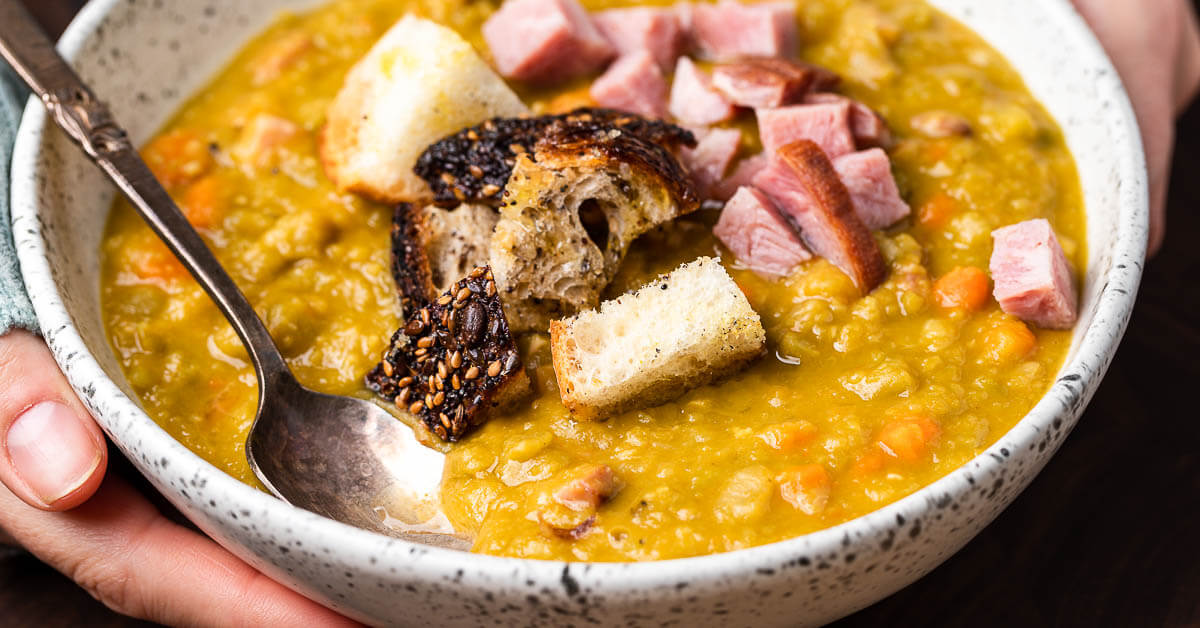
The Timeless Appeal of Split Pea Soup: A Hearty Staple for Every Kitchen
In the culinary world, few dishes evoke the same sense of warmth, nostalgia, and comforting satisfaction as a bowl of hearty split pea soup. It's a classic for a reason – a humble yet profoundly flavorful creation that has nourished generations, especially during cooler months. More than just a simple soup, it's a culinary embrace, renowned for its rich texture, deep savory notes, and incredible versatility. Whether you're a seasoned chef or a home cook looking for an easy, nutritious meal solution, this soup offers immense appeal.
Beyond its comforting qualities, split pea soup stands out as an exceptionally practical dish, making it an ideal candidate for meal preparation and freezing. Its flavors deepen and meld beautifully overnight, transforming a delicious meal into an even more exquisite one. This characteristic, combined with its simple ingredient list and forgiving cooking process, solidifies its status as a staple for efficient kitchens and busy schedules.
Embracing the Ham (or Not!): Crafting Your Perfect Split Pea Soup
One of the most cherished aspects of this beloved dish is its adaptability, perfectly encapsulated in the concept of "split pea and ham or not soup." While the smoky, savory depth of ham is often considered the traditional cornerstone, the beauty lies in knowing you can tailor it precisely to your palate or dietary needs. It's a dish that truly shines whether it's starring a glorious ham bone or built upon a rich vegetarian foundation.
The Irresistible Allure of Ham in Split Pea Soup
For many, the ultimate split pea and ham soup begins with a leftover ham bone. This isn't just an ingredient; it's a flavor powerhouse. As the bone slowly simmers, it releases an unparalleled smoky, savory goodness that infuses every single drop of broth, creating a depth that's incredibly difficult to replicate. If you've just enjoyed a holiday ham, don't let that bone go to waste – it's pure gold for your soup pot!
But the magic doesn't stop there. Leftover ham meat, particularly from a honey-baked or glazed ham, adds tender, flavorful chunks that elevate the soup from good to extraordinary. We recommend about 2-3 cups of diced ham, perhaps a mix of leaner pieces for texture and fattier bits for even more flavor. If a ham bone isn't available, a smoked ham hock from your local grocery store makes an excellent substitute, providing that essential smoky character. In a pinch, even a couple of ham steaks can be diced and added. The key is to brown the ham slightly at the beginning of the cooking process to unlock its full, rich potential and build those initial layers of flavor.
The "Or Not" Factor: Delicious Vegetarian & Vegan Alternatives
The phrase "split pea and ham or not soup" isn't just a suggestion; it's an invitation to creativity. You absolutely can create a wonderfully comforting and flavorful split pea soup without any ham at all. For those seeking a vegetarian or vegan version, the path to a deeply satisfying bowl is clear and delicious:
- Smoky Spices: Smoked paprika is your best friend here. A generous teaspoon or two added with the aromatics will impart a beautiful, subtle smokiness without the meat.
- Liquid Smoke: A tiny dash (start with 1/4 teaspoon) of liquid smoke can mimic that ham-bone flavor profile surprisingly well.
- Umami Boosters: Dried mushrooms (like porcini, rehydrated and chopped), a tablespoon of soy sauce or tamari, or even a nutritional yeast blend can add a savory, umami depth that compensates for the lack of meat.
- Vegetable Broth: Opt for a good quality vegetable broth instead of chicken broth or water to build a robust flavor base.
- Root Vegetables: Don't hesitate to add a diced potato (russet or Yukon gold are excellent choices) for extra heartiness and a slightly creamy texture.
These alternatives ensure that everyone, regardless of dietary preference, can enjoy the nourishing comfort of a rich and flavorful bowl of split pea soup.
Building Layers of Flavor: Essential Ingredients & Techniques
Creating a truly remarkable split pea soup is an exercise in building flavor from simple, wholesome ingredients. The magic happens through patient simmering and the thoughtful combination of a few key components. Split Pea Soup Flavor Secrets: Ham Bone & Pea Prep Tips will delve deeper into specifics, but here's a general overview.
The Humble Split Pea: Green vs. Yellow
At the heart of our soup are, of course, the split peas. Green split peas are the traditional choice, offering a robust, slightly earthy flavor. However, yellow split peas work beautifully too, providing a slightly milder, sweeter taste and a vibrant color. The best part? Neither variety requires pre-soaking! Just a quick rinse in cold water until the water runs clear is sufficient to remove any dust or debris. This simple step ensures a clean, pure taste in your finished soup.
The Aromatic Foundation: Mirepoix and Beyond
Every great soup starts with a strong aromatic base. For split pea soup, the classic trio of onion, carrots, and celery (often called mirepoix) is indispensable. Dice these vegetables to roughly the same size (about 1/4 inch) to ensure they cook evenly and release their flavors harmoniously. Sautéing them gently until softened is crucial for building that initial layer of sweetness and depth.
Beyond the standard mirepoix, consider these additions:
- Potatoes: A diced potato, such as a russet or Yukon gold, adds extra body and creaminess, making the soup even more substantial.
- Garlic: While not traditionally part of mirepoix, a clove or two of minced garlic added with the other vegetables can deepen the savory profile.
Broth, Herbs, and Seasoning Savvy
The liquid base is key. While water works perfectly fine, opting for a low-sodium chicken broth (if using ham) or a quality vegetable broth (for vegetarian versions) will significantly enhance the overall flavor. Start with about 8 cups of liquid; you can always add more later if your soup becomes too thick.
For herbs, bay leaves and fresh thyme are classic companions to split pea soup. If using fresh thyme, about a tablespoon is ideal; for dried, a teaspoon or two will suffice. A critical tip: hold off on adding salt until the very end of cooking, especially if you're using ham or ham bone, as these ingredients can be quite salty. Taste and adjust. A generous grinding of fresh black pepper and a touch of smoked paprika (even if using ham, it accentuates the smokiness) will round out the flavors beautifully.
The Simmering Magic: From Pot to Perfection
Once your ingredients are prepped, the process of making split pea soup is wonderfully straightforward, largely consisting of gentle simmering. The magic truly unfolds as the peas break down and meld with the other components.
- Prep & Sauté: Begin by rinsing your split peas and dicing all your vegetables evenly. In a large pot or Dutch oven, start by sautéing the diced onion until softened. If using ham, add it at this stage and let it brown for 6-8 minutes to coax out its rich flavors. Then, add the carrots and celery, cooking for another 5 minutes until slightly tender.
- Combine & Simmer: Now, add the rinsed split peas, your chosen liquid (water or broth), bay leaves, and thyme to the pot. Give everything a good stir to combine.
- The Slow Cook: Bring the mixture to a boil, then immediately reduce the heat to a low simmer. Allow the soup to cook uncovered for approximately 1 to 2 hours. During the initial simmering phase, you may see some foam rise to the surface; skim this off to keep your soup looking clean and bright.
- The Transformation: As the soup gently simmers, the split peas will gradually soften and begin to break down, thickening the soup naturally and imparting its characteristic creamy texture. Stir occasionally to prevent sticking and ensure even cooking. Your kitchen will fill with an incredibly inviting aroma!
- Final Touches: Once the peas are tender and creamy, remove the bay leaves (and the ham bone, if using, to strip off any remaining meat), and give the soup a final taste. This is the moment to adjust seasonings, adding salt and pepper as needed. If the soup is too thick, stir in a little more broth or water until it reaches your desired consistency.
The Ultimate Convenience: Why Split Pea Soup Excels for Meal Prep & Freezing
If there's one dish that epitomizes convenience without sacrificing flavor or nutrition, it's split pea soup. Its robust nature makes it an absolute champion for meal prep and an ideal candidate for freezing.
A Soup That Gets Better with Age: One of the most remarkable qualities of split pea soup is that its flavors deepen and harmonize overnight. Making a big batch on the weekend means you'll have even more delicious meals waiting for you during the busy week. The ingredients have more time to meld, resulting in a more complex and satisfying taste experience.
Batch Cooking Dream: This soup is perfectly suited for preparing large quantities. Instead of cooking small portions daily, you can make enough to last for several meals, saving you significant time and effort during the week. It’s an efficient way to ensure healthy, homemade food is always on hand.
Freezing Prowess: Split pea soup freezes exceptionally well without any noticeable loss of quality or texture. This makes it an invaluable asset for anyone looking to stock their freezer with quick, nutritious options for unexpected guests or hectic weeknights. To freeze, allow the soup to cool completely before portioning it into airtight freezer-safe containers or heavy-duty freezer bags. It can be stored in the freezer for up to 3 months. When ready to enjoy, simply defrost it in the refrigerator overnight and reheat gently on the stovetop or in the microwave, adding a splash of broth or water if it's too thick.
Having a stash of homemade split pea soup in your freezer is like having a secret weapon against hunger and busy schedules. It transforms a potential fast-food run into a comforting, healthy meal that's ready in minutes.
Tips for the Perfect Bowl and Creative Variations
To truly elevate your split pea soup experience, consider these final tips and creative twists:
- Garnish for Freshness: A sprinkle of fresh parsley or chives, a dollop of plain yogurt or sour cream (if not vegan), or a swirl of good quality olive oil can add a refreshing counterpoint to the rich soup.
- Textural Contrast: Serve your soup with homemade croutons, a slice of crusty bread, or even a sprinkle of toasted pumpkin seeds for added crunch.
- Acidity for Brightness: A tiny splash of sherry vinegar or lemon juice stirred in just before serving can brighten the flavors and cut through the richness, adding a surprising pop.
- Spice It Up: If you enjoy a bit of heat, a pinch of red pepper flakes added with the aromatics, or a dash of hot sauce at the table, can give your soup an extra kick.
Conclusion
Whether you choose to incorporate the smoky depth of ham or create a vibrant vegetarian masterpiece, split pea soup remains a testament to the power of simple ingredients creating extraordinary comfort. It's a nourishing, versatile, and deeply satisfying dish that offers both a taste of tradition and incredible modern convenience. Perfect for cold-weather evenings, bustling weeknights, or thoughtful meal prep, this comforting classic truly is ideal for any kitchen. So, gather your ingredients, choose your path – split pea and ham or not soup – and prepare to enjoy a truly rewarding culinary experience that will warm you from the inside out.
