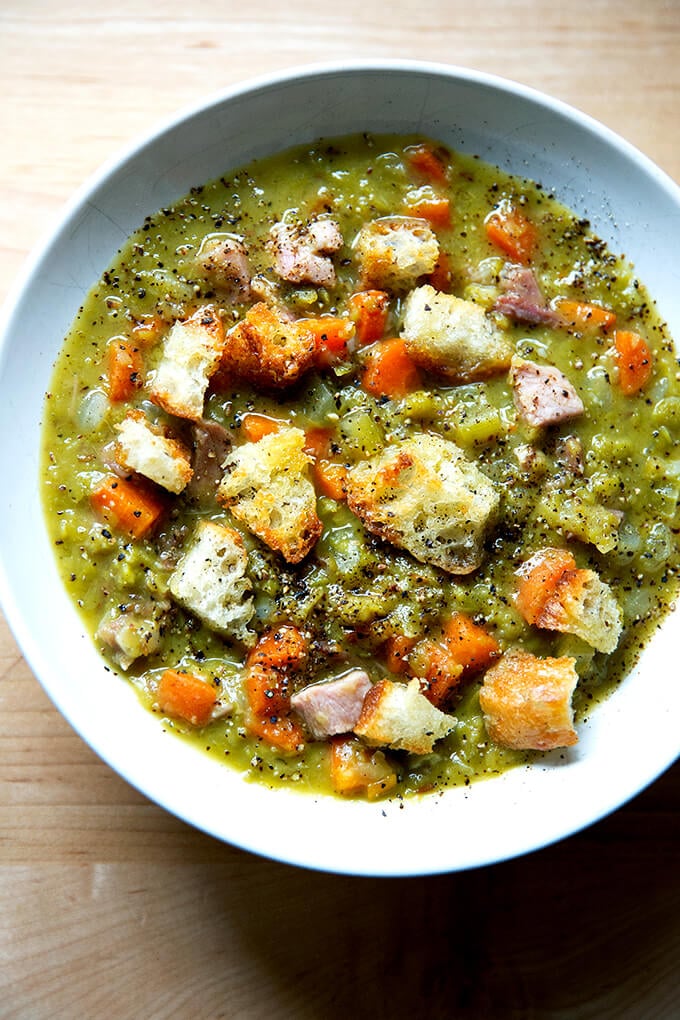
There's a reason certain dishes become enduring classics, passed down through generations and cherished for their ability to comfort and satisfy. Split pea soup, especially when enriched with the savory depth of ham, is undoubtedly one of them. It's a culinary hug in a bowl, a hearty staple that warms the soul and makes the most of simple, wholesome ingredients. While the traditional combination of
Far from being just a cold-weather classic, split pea soup is an ingenious way to transform leftovers into something spectacular. Imagine taking that succulent honey-baked ham from a holiday feast and giving it a glorious second act, turning it into a rich, comforting soup that practically cooks itself. But what truly elevates this humble dish from good to unforgettable? It’s all in understanding the flavor secrets, from the foundational role of the ham bone to the subtle art of pea preparation.
The Ham Bone Advantage: Depth, Smoke, and Savory Gold
If you've ever savored a truly exceptional bowl of
The beauty of a ham bone extends beyond just flavor; it’s about utilizing every last bit of a delicious meal. After enjoying your main ham course, saving the bone and any clinging bits of meat is pure culinary gold for your next pot of soup. It’s an act of resourcefulness that yields incredibly flavorful results. The residual meat, fat, and marrow all contribute to a nuanced taste profile that deepens as the soup cooks.
What if You Don't Have a Ham Bone?
While a ham bone is ideal, its absence doesn't mean you can't create a fantastic
- Smoked Ham Hock: Widely available in most grocery stores, a smoked ham hock is an excellent substitute. It provides a similar smoky, savory punch and plenty of collagen to enrich the broth. You'll typically need one good-sized hock for a standard pot of soup.
- Ham Steaks or Cubes: If you only have leftover diced ham or fresh ham steaks, they will certainly add flavor and texture. Just be sure to brown them thoroughly before adding other ingredients to develop those rich, caramelized notes. For a hearty soup, aim for 2-3 cups of diced ham. Consider using a mix of leaner and fattier pieces for the best balance of flavor and texture.
- Bacon or Pancetta: While not a direct substitute for a ham bone, starting your soup by rendering some diced bacon or pancetta can lay a fantastic smoky, savory foundation. Cook it until crispy, then remove the pieces and use the rendered fat to sauté your vegetables.
The "Or Not" Option: Going Ham-Free (or Smoked Turkey)
The deliciousness of split pea soup isn't solely dependent on ham. For those seeking a ham-free version, whether due to dietary preferences or simply a different taste, a truly delightful
- Smoked Paprika: A generous teaspoon or two added during the sautéing stage can impart a wonderful smoky aroma and flavor.
- Liquid Smoke: Used sparingly (just a few drops!), liquid smoke can mimic that characteristic smoked meat flavor.
- Smoked Turkey Leg or Hock: For a poultry-based alternative, a smoked turkey leg or hock can provide a similar savory, collagen-rich broth, perfect for a hearty split pea soup without ham.
- Vegetarian Approach: Focus on umami-rich vegetables like mushrooms, sun-dried tomatoes, and a good quality vegetable broth. Roasting some of your mirepoix vegetables (carrots, onions) before adding them to the pot can also deepen their flavor.
Prepping Your Peas: Rinse, Don't Soak!
The star ingredient, split peas, are incredibly convenient. Unlike many other legumes, split peas require no pre-soaking, which is a significant time-saver and makes this soup an ideal weeknight project. Both green and yellow split peas work beautifully, offering slightly different nuances:
- Green Split Peas: These are the most common choice, known for their classic, earthy flavor and vibrant green hue when cooked.
- Yellow Split Peas: Offering a slightly milder, sweeter taste and a sunny yellow color, they provide a lovely alternative if you want to experiment with the flavor profile.
Regardless of color, the primary preparation step for split peas is simple: a thorough rinse. Place your peas in a fine-mesh sieve and run cold water over them until the water runs clear. This step is crucial for removing any dust, debris, or starches that can make your soup cloudy. Once rinsed, they’re ready to go straight into the pot.
Building the Base: A Symphony of Aromatics and Flavor Layers
A truly great soup is built on layers of flavor, and split pea soup is no exception. Beyond the ham bone, the foundation starts with a classic trio of aromatics:
- The Holy Trinity: Onion, Carrots, and Celery (Mirepoix): These vegetables are indispensable. Dicing them to a consistent size (around 1/4 inch) ensures they cook evenly and release their sweet, savory essences into the broth. Starting by sautéing the onion until softened creates a sweet base, followed by the carrots and celery.
- Browning the Ham (if applicable): If you're using diced ham pieces, browning them for 6-8 minutes before adding other vegetables is a game-changer. This creates a rich, caramelized crust through the Maillard reaction, intensifying the ham's flavor and adding another layer of savory depth to your soup.
- Liquid Choice: While water will certainly get the job done, opting for low-sodium chicken broth can significantly elevate the soup's complexity. You’ll typically need around 8 cups of liquid to start, with the flexibility to add more if the soup becomes too thick during simmering.
- Herbs and Spices: Bay leaves are non-negotiable for their subtle, earthy aroma, while fresh thyme (about a tablespoon) adds a bright, herbaceous note. A pinch of black pepper and a touch of smoked paprika (especially if going ham-free) can round out the flavors beautifully. Remember to hold off on adding salt until the very end, as ham can be quite salty, and you want to avoid over-seasoning.
- Optional Additions: For extra heartiness, consider adding a diced potato (Russet or Yukon Gold work well) along with your other vegetables. It will break down slightly, adding to the soup's creamy texture.
The Art of the Simmer: Patience for Perfect Consistency and Taste
Once all your ingredients are in the pot, the real magic begins: the simmer. After a good stir, bring your soup to a boil, then immediately reduce the heat to a gentle simmer. This slow, steady cooking process is key to both tenderizing the peas and allowing all the flavors to meld beautifully.
Let the soup cook uncovered for approximately 1 to 2 hours. During this time, the split peas will gradually break down, thickening the soup and imparting their creamy texture. As it simmers, you may notice some foam rising to the surface, especially in the first 30 minutes. Take a moment to skim this off with a spoon; it helps keep your soup clear and vibrant, preventing any muddy flavors.
Towards the end of the cooking time, check the consistency. If your
Beyond the Bowl: Meal Prep, Freezing, and Embracing Versatility
One of the most appealing aspects of
This soup also freezes exceptionally well, making it a freezer-friendly champion. Simply let it cool completely, then portion it into airtight containers or freezer bags. It can be stored in the freezer for up to three months. To enjoy, thaw overnight in the refrigerator and reheat gently on the stovetop, adding a splash of broth or water if needed to adjust the consistency. For more detailed tips on preparing and storing large batches, explore our guide on Comforting Split Pea Soup: Ideal for Meal Prep & Freezing.
Revisiting "Split Pea and Ham or Not Soup"
As discussed earlier, the essence of a great split pea soup doesn't always require ham, though it certainly adds a cherished element. If you're looking to Transform Leftover Ham: Your Ultimate Split Pea Soup Guide, the ham bone method is your golden ticket. However, if ham isn't on the menu, remember the powerful substitutes for smoke and depth:
- Smoked Paprika & Liquid Smoke: For a convincing ham-free flavor profile.
- Smoked Turkey: A delicious and leaner alternative that still provides a rich, savory base.
- Vegetarian Umami Boosters: Think roasted vegetables, miso paste (added at the end), or even a dash of soy sauce for depth in a purely plant-based version.
The flexibility of this dish allows you to craft a soup that perfectly suits your preferences, proving that the heart of split pea soup lies in its nourishing warmth and robust flavor, whether accompanied by ham or not.
From the foundational richness of a slowly simmered ham bone to the satisfying creaminess of perfectly cooked peas, crafting a truly exceptional
